

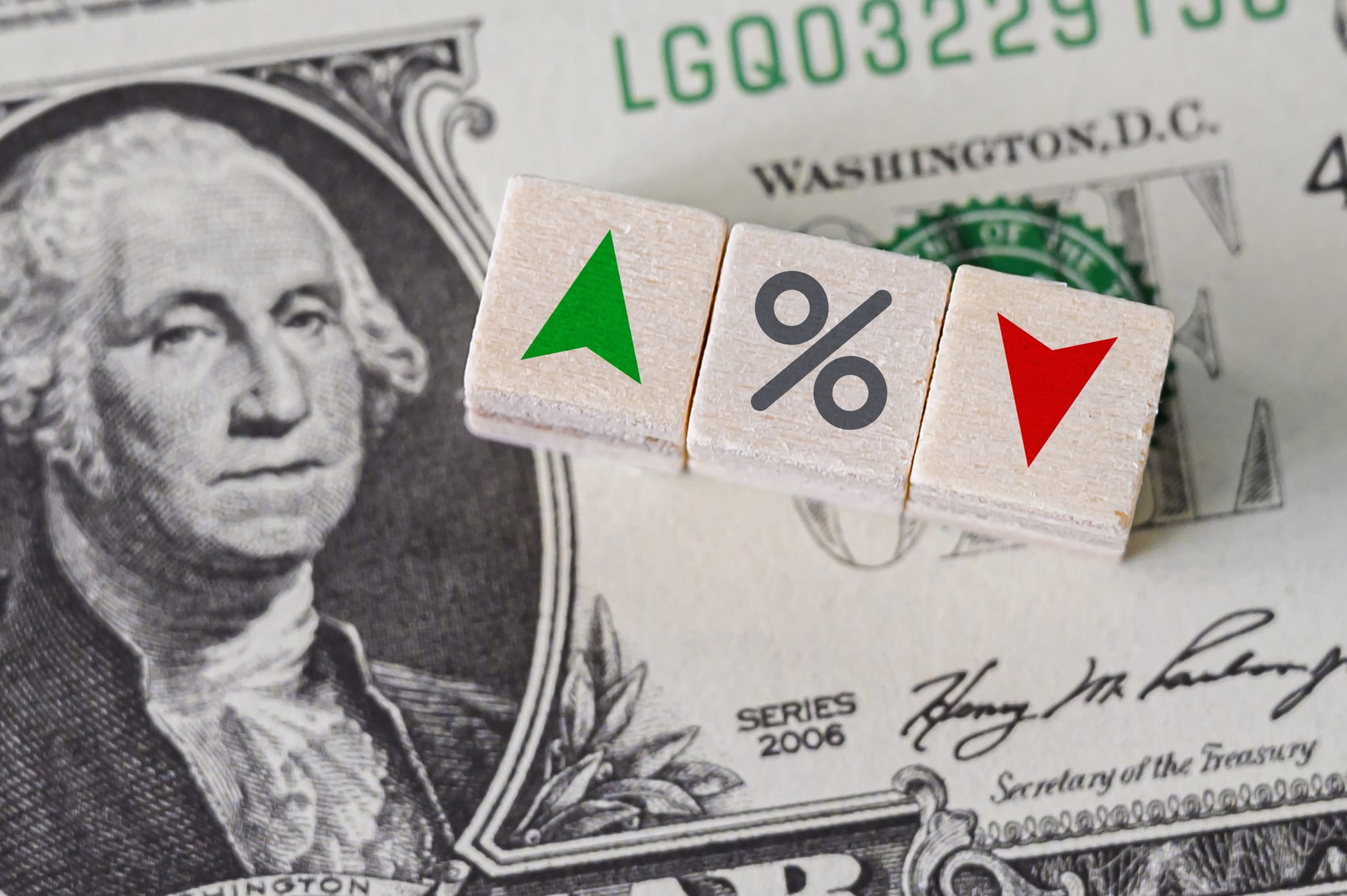
The Federal Reserve held interest rates steady on Wednesday in its last policy decision before the midterm elections, even as inflation accelerated from a 3.4% annual rate in August to 3.7% in September.
The central bank said it needs additional data before deciding whether to raise borrowing costs again. Its statement noted that inflation is still running high and said more information will help officials judge the right policy path to bring prices back to the 2 percent target.
Attention is now turning to Thursday’s release of the Fed’s preferred inflation measure, the personal consumption expenditures price index, which is expected to reach 3.7%. Economists at Morgan Stanley said the latest backdrop suggests the Fed may still have more tightening ahead, with any future increase depending on incoming data.
The decision was not unanimous. Governor Lisa Cook and Cleveland Fed President Beth Hammack voted for a rate hike, with Cook recording her first-ever dissent. That followed September’s 12-0 vote to raise rates, the first increase since 2023.
Pressure on consumers remains tied in large part to higher gas, diesel and crude oil prices, which economists say are beginning to affect the broader economy. Polling has repeatedly shown that voters are worried about inflation, especially in housing and energy. Two-thirds of Americans said gas prices linked to Trump’s Iran war were a very serious or somewhat serious problem, and more than half said the current economy has changed the groceries they buy.
Fed Chairman Kevin Warsh said the board’s choice was not shaped by the midterms or by politics. He also defended the central bank after President Donald Trump accused some members of hostility toward him, describing the latest meeting as a serious internal discussion that ended in what he considered the right decision.
Warsh also announced a change to the Fed’s calendar, saying it will cut the number of rate-setting meetings from eight to seven next year and by two more in 2028. He said the revised schedule is intended to improve the quality of the central bank’s decisions.
At a post-meeting news conference, Warsh said the economy is moving in the right direction overall, but he stressed that inflation is still too high. He added that recent increases in energy-related prices could not be allowed to spread more broadly through the economy.
The Federal Open Market Committee said economic activity is expanding at a strong pace and that domestic spending has remained resilient, even though uncertainty is still elevated because of geopolitical developments.
Wednesday’s outcome and the Fed’s continued concern about inflation leave open the possibility of another rate increase at December’s monetary policy meeting.
 Hayden Panettiere’s death ruled accidental, Greenville police say case is closed
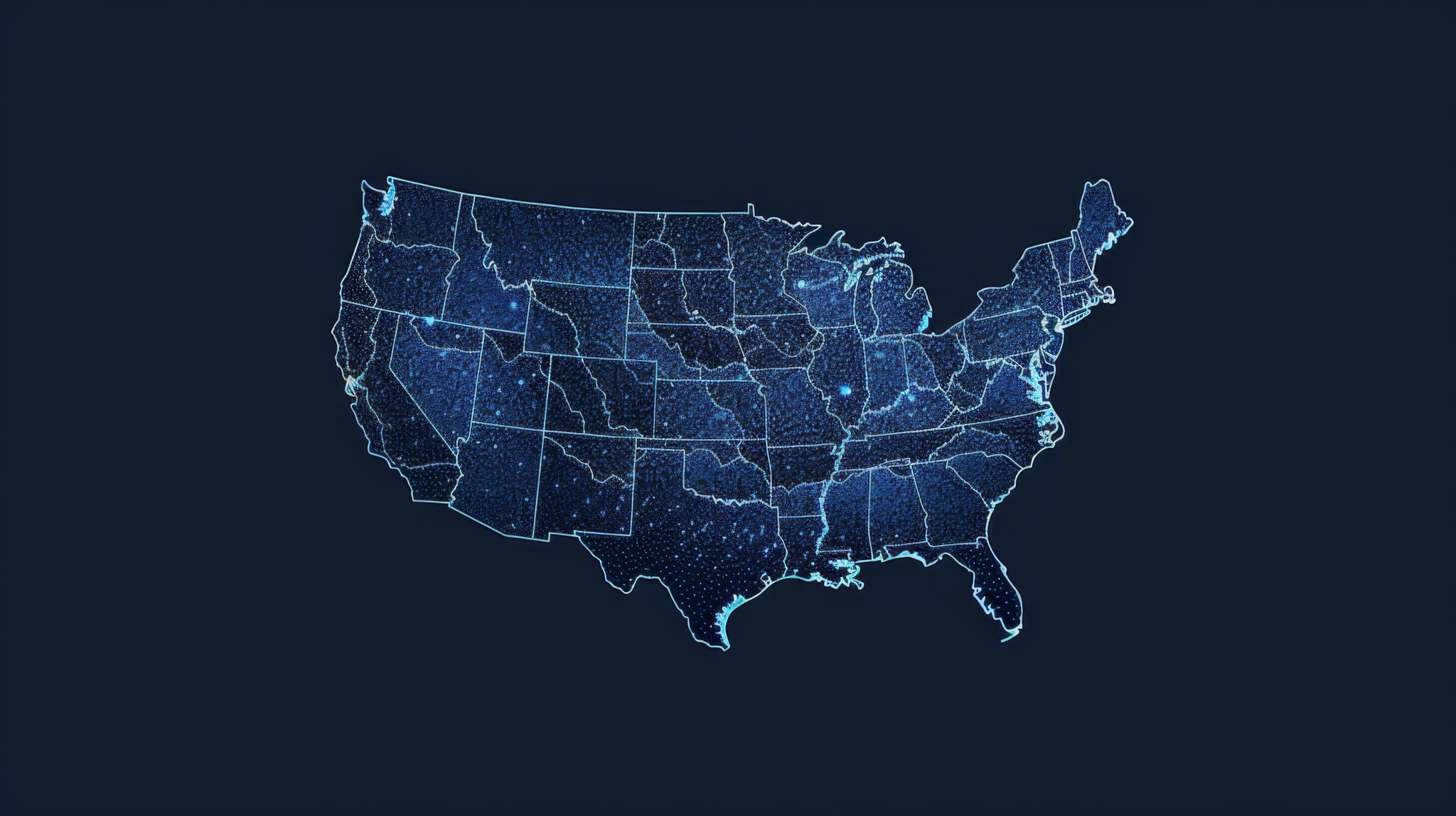 Energy Department graphic on X appears to leave Vermont off the map
 National Drug Take Back Day Returns Saturday With Six Local Drop-Off Sites




Comments
Add a comment