

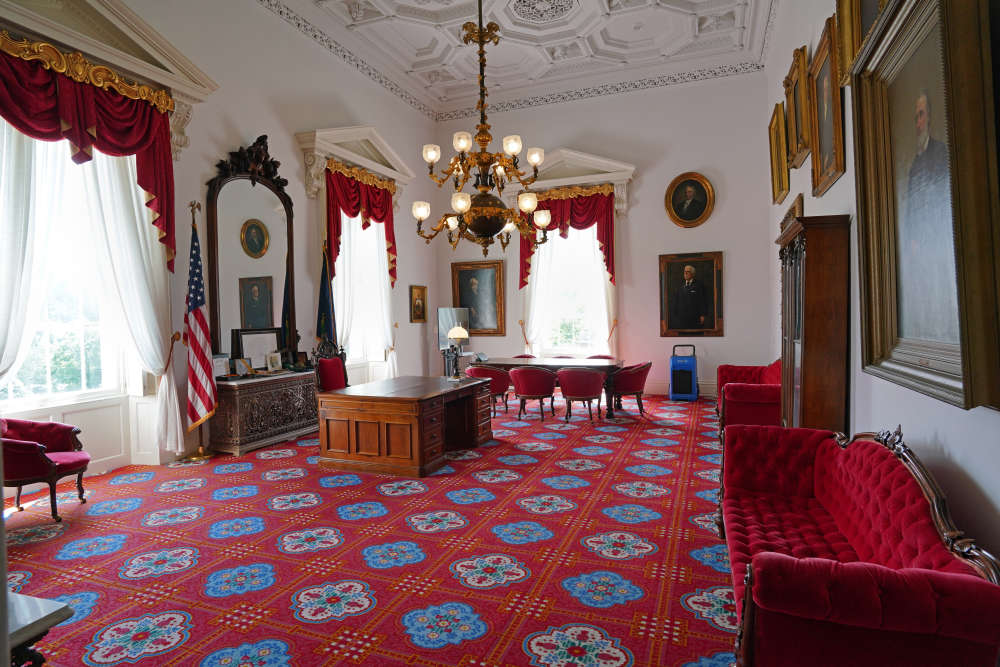
Scott said he hopes to keep advancing what he describes as practical steps that deliver measurable benefits to Vermonters.
Vermont’s Department of Taxes says the 2025 tax law backed by Gov. Phil Scott has already generated about $10 million in refunds this year, with more filings still expected before the Oct. 15 extension deadline. Sarah Mearhoff, a spokesperson for the Vermont Department of Taxes, said the figure could rise as additional returns are processed.
Tax Commissioner Bill Shouldice outlined how the law’s provisions have affected taxpayers. The largest share, $3.6 million, came from expanding the child tax credit to families with 6-year-olds, reaching about 4,000 households. Changes to the earned income tax credit for low-income workers without children returned $2.4 million to about 11,000 filers, while the revised treatment of military benefits produced $1.9 million for more than 2,400 people. Another $1.3 million went back to roughly 8,000 people through changes to the taxability of Social Security benefits, and a partial credit for veterans earning less than $30,000 accounted for just under $440,000 for about 1,900 people.
The administration promoted those figures just as Scott, a Republican, signaled he would seek another round of tax cuts if voters return him to office. Speaking at a press conference Wednesday, he said he plans to introduce a fresh package when the next legislative session opens in 2027, but he did not identify which tax changes he would pursue.
His comments come a week after Democratic voters chose Amanda Janoo as his general election opponent. Janoo has made higher taxes on Vermont’s wealthiest residents a central part of her campaign, while Scott has continued to reject that approach. Both candidates say they want to make the state more affordable for working-class Vermonters, setting up affordability as a defining issue in the race.
Scott used the Wednesday event to argue that the 2025 legislation proves his administration can deliver tangible savings. The law, which cleared both chambers with strong support, included tax relief for military retirees, low-income workers, families with young children and retirees who receive Social Security.
For years, Scott has pressed lawmakers to end taxes on military pensions, saying the change would help Vermont attract more veterans and strengthen the economy. Democrats had long worried that such a policy would mostly help higher-income households and direct special treatment to one group over others. Support for the idea widened last year, leading to a compromise that exempted military pensions and military survivor benefits for households with adjusted gross incomes under $125,000 and offered a partial exemption for those under $175,000.
Scott said the political makeup of the Legislature after the 2024 elections helped push the proposal across the finish line. He argued that the results reflected voter influence and that the public had shown support for some level of tax relief.
Vermont is still one of the states that does not fully exempt military pensions from income tax, and Scott’s allies continue to press for that change. Vermont Adjutant General Henry Hank Harder endorsed that goal at Wednesday’s event, saying the state must do more to retain veterans and compete with other states for talent and families.
When the law was signed in 2025, analysts estimated it would return $13.5 million to taxpayers, a higher figure than the amount reported so far this year. Scott said he hopes to keep advancing what he describes as practical steps that deliver measurable benefits to Vermonters.
 Vermont early voting turnout reaches 88,000
 FEMA Approves More Than $5.8 Million for Vermont Flood Recovery
 Animal cruelty case against East Dorset veterinarian Bob Wendell ends in dismissal
 Brattleboro man faces stalking and threatening charges after Walgreens incident
 Animal cruelty case against East Dorset veterinarian Bob Wendell ends in dismissal




Comments
Add a comment