

In 2018, lawmakers rolled back parts of Trump administration tax cuts affecting wealthier residents, and some advocates now want to go further.
Vermont’s latest budget fight has revived a familiar question: should the state ask more of its highest earners to help cover rising costs, or would that push away the taxpayers Vermont most wants to keep?
The issue has become a centerpiece for several major political figures, including Amanda Janoo and Molly Gray, who are backing the Fair Share campaign. Under the proposal, households earning $250,000 or more would pay more in state income tax, with supporters arguing the change could generate $345 million annually for universal primary care.
Critics argue the plan could backfire by adding to the burden on people already paying substantial taxes. Austin Davis of the Lake Champlain Chamber of Commerce said the proposal is being sold as a broad political fix even though it would apply to a relatively limited group of Vermonters, including professionals such as oncologists. The chamber says Vermont’s wealth gap is real, but also notes that the state’s top earners are not the same as the ultra-wealthy population often discussed at the national level.
According to 2024 state Tax Department data, the top 1% of Vermont earners, about 3,300 households, bring in more than $600,000 a year. The proposal would add 2% to the income tax for roughly 22,000 households below $500,000, while about 4,500 households above that threshold would face an additional 8%.
Supporters say Vermont simply is not collecting enough money to meet public needs. Anika Heilweil of the Public Assets Institute, which launched the Fair Share effort three years ago, said the state’s budget problems show the need for a broader approach to financing services. She said shared investment can make essential programs more affordable overall and pointed to pressure in areas such as transportation, healthcare and housing.
The tax question is not new in Vermont. In 2018, lawmakers rolled back parts of Trump administration tax cuts affecting wealthier residents, and some advocates now want to go further. Public Assets Institute and several candidates argue that another tax increase on the state’s top earners would help close gaps in the budget and support critical programs.
Opponents say the state should be careful not to discourage high-earning households from staying in Vermont. Davis said the focus should be on attracting and retaining more of those residents rather than creating conditions that might send them elsewhere. Heilweil rejects that concern, saying many higher-income Vermonters are older and less likely to relocate.
The debate is also shaping the governor’s race. Republican Gov. Phil Scott is expected to veto any new wealth tax if reelected, while Democratic challenger Amanda Janoo says the policy is necessary to create a fairer system. Within the Democratic majority at the Statehouse, however, lawmakers remained split last session over whether new taxes would solve Vermont’s budget problems or create new ones.
The same arguments echo a broader national discussion over how much wealthy households should contribute as governments search for ways to balance budgets and fund public services.
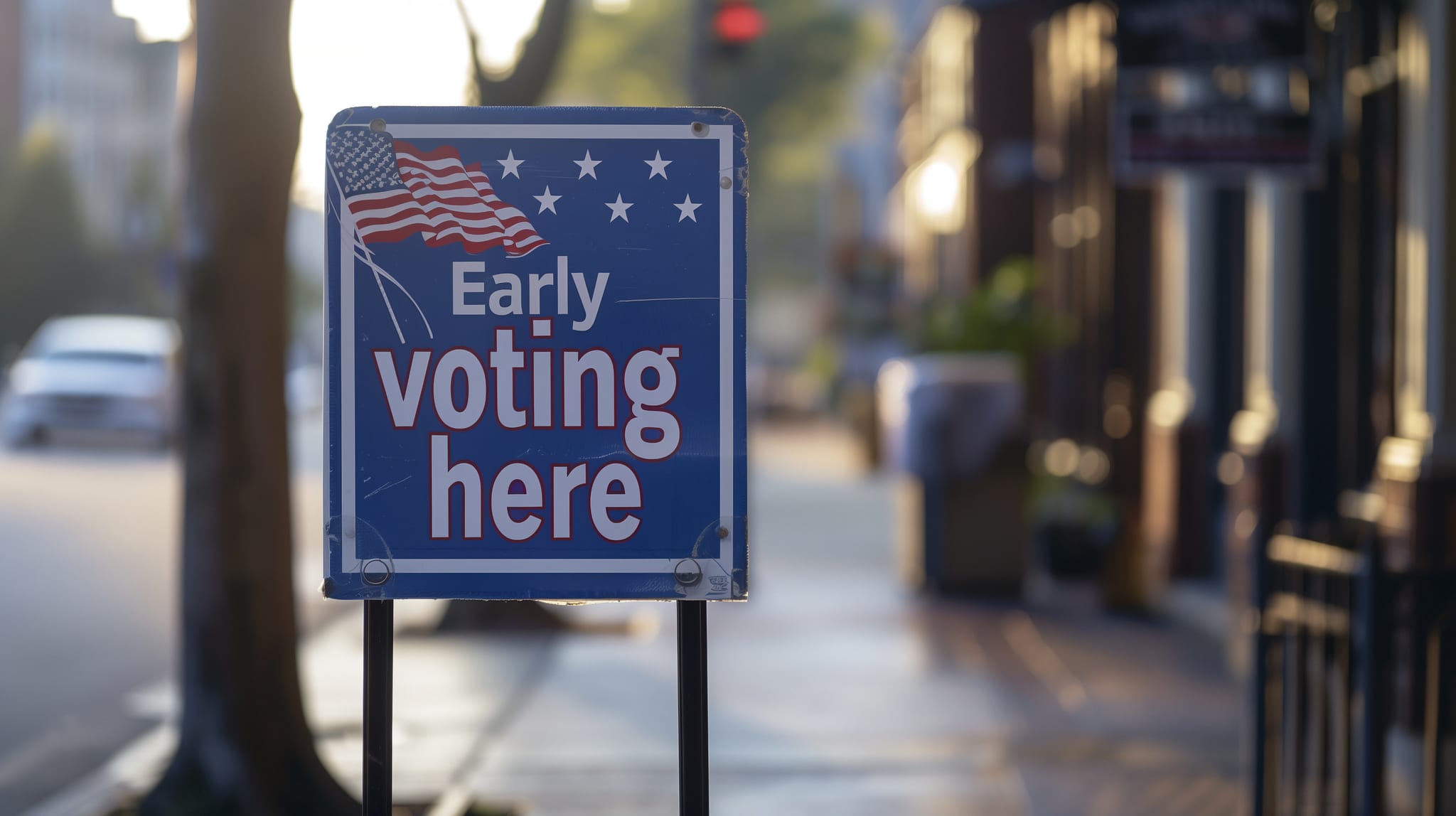 Vermont early voting turnout reaches 88,000
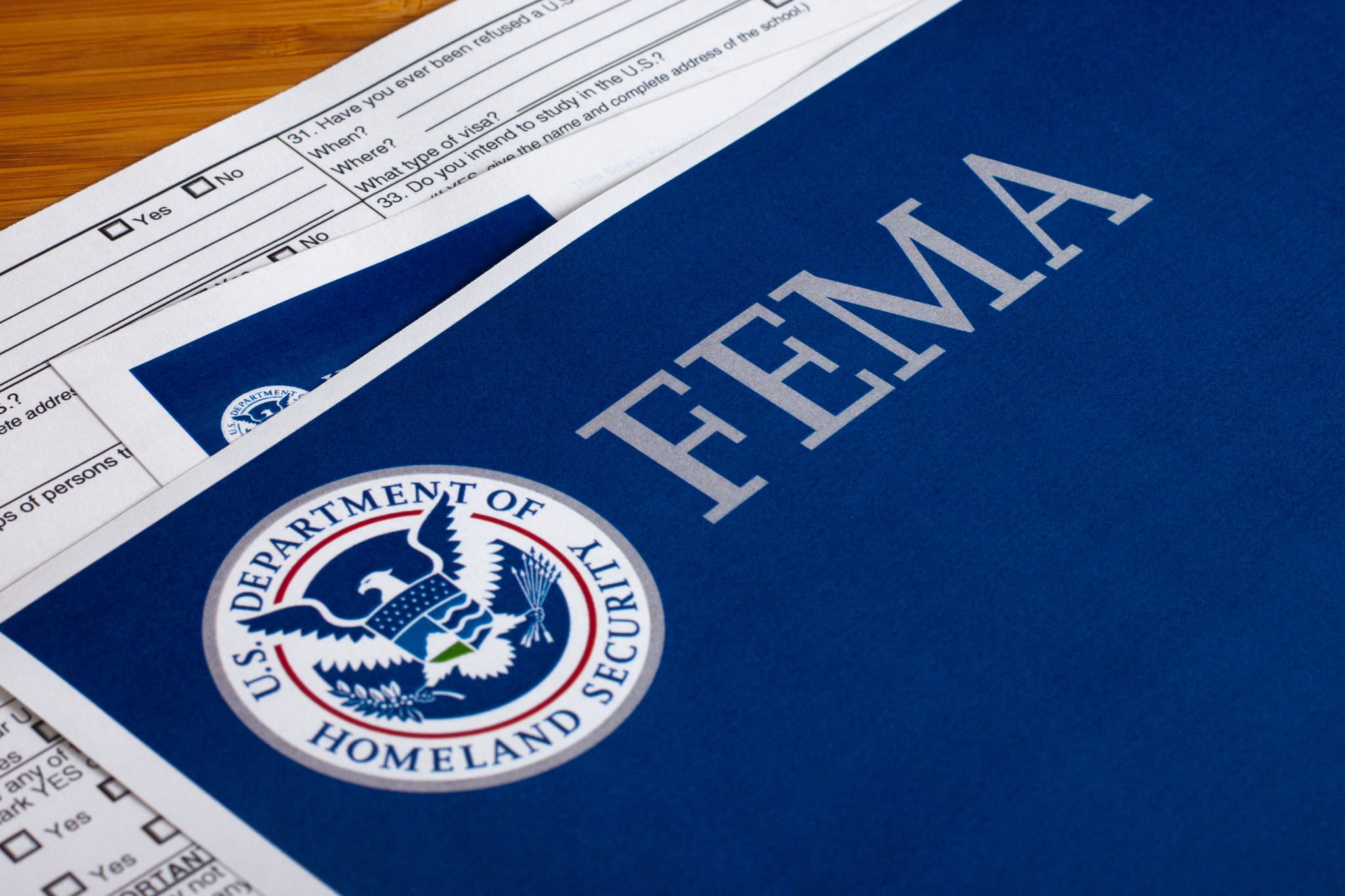 FEMA Approves More Than $5.8 Million for Vermont Flood Recovery
 Animal cruelty case against East Dorset veterinarian Bob Wendell ends in dismissal
 Brattleboro man faces stalking and threatening charges after Walgreens incident
 Animal cruelty case against East Dorset veterinarian Bob Wendell ends in dismissal




Comments
Add a comment